
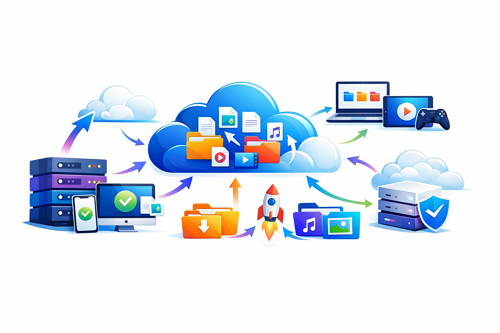
File mirroring is a practical strategy for improving download reliability and reach. Platforms like DDownload allow users to upload files once and distribute them across multiple hosting services, ensuring consistent access even if one server becomes unavailable.
Mirroring works by storing identical copies of a file on different platforms. Users can choose the fastest or most accessible link, which improves both user experience and download success rates.
How File Mirroring Works
The process is straightforward and scalable:
- Upload your file to DDownload
- Generate a download link
- Upload the same file to other hosting platforms
- Share all mirror links in one location
Advanced users often use remote upload features or automation tools to streamline the workflow.
Benefits of Mirroring Files
- 🌍 Higher availability across different regions
- ⚡ Faster downloads via multiple server options
- 🔒 Reduced risk of downtime or file loss
- 📈 Increased traffic and earnings potential
Single Hosting vs. File Mirroring
| Feature | Single Hosting | File Mirroring |
|---|---|---|
| Availability | Moderate | High |
| Speed | Inconsistent | Optimized |
| Downtime risk | Higher | Lower |
| Monetization | Limited | Improved |
Many experienced publishers rely on mirroring to maximize exposure and maintain stable downloads across global audiences.
For larger-scale operations, automation plays a key role in saving time and improving efficiency. A deeper breakdown is available in our guide on automated file distribution using ddownload, which explains how to scale file sharing systems effectively.


