
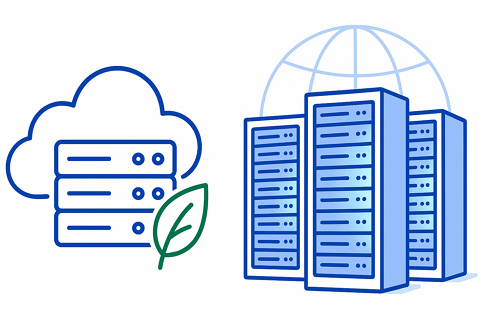
Cloud storage has become essential for businesses, students, and everyday users. Photos, videos, documents, and backups are stored in massive data centers around the world. The environmental impact of cloud storage is often overlooked, yet it plays a significant role in today’s digital economy.
Why Cloud Storage Consumes Energy
Data centers operate 24/7 and require substantial electricity for:
- Continuous server operation
- Cooling systems to prevent overheating
- Data redundancy and backup systems
- Network connectivity infrastructure
Energy consumption directly influences carbon emissions, especially in regions powered by non-renewable energy sources.
Cloud Storage vs Physical Storage
| Factor | Cloud Storage | Physical Storage |
|---|---|---|
| Energy Use | High (data centers) | Low during use |
| Production Materials | Server hardware | Plastics & metals |
| Scalability | Extremely high | Limited |
| Remote Accessibility | Global access | Local access only |
Cloud storage reduces transportation and physical waste but depends heavily on efficient energy management.
How DDownload Fits Into the Picture
DDownload operates within modern server infrastructures designed for optimized performance. Centralized storage helps reduce the need for multiple external drives and redundant hardware at home or in offices.
Key sustainability-related benefits include:
- Reduced reliance on physical media
- Optimized bandwidth allocation
- Efficient data handling
- Support for fully digital workflows
Smart file management also minimizes unnecessary data transfers.
How Users Can Reduce Their Digital Footprint
Individual habits matter. You can lower environmental impact by:
- Deleting outdated or duplicate files
- Compressing large uploads
- Scheduling backups strategically
- Managing storage limits carefully
A properly configured account improves efficiency and reduces excess traffic. Learn more about setting up your account correctly in our guide on how to set up a Premium DDownload account step by step.


