
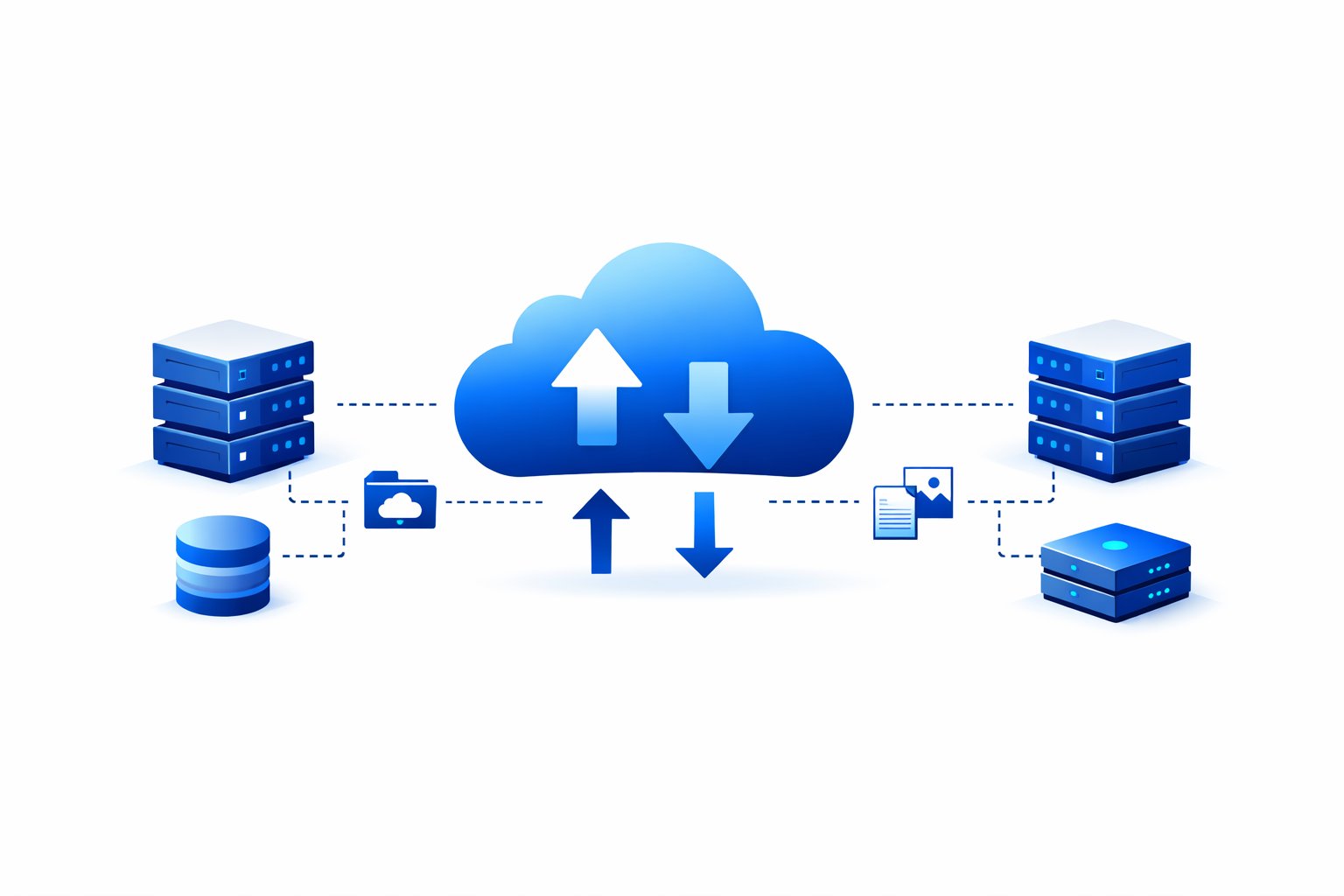
File hosting platforms power a huge portion of today’s online downloads. Services like DDownload allow users to upload files to remote servers and share them through simple download links. A complex system of servers, storage networks, and data management works behind the scenes to make this process fast and reliable.
When a file is uploaded, the hosting platform does more than simply store it. The system processes the file, assigns it a unique identifier, and prepares it for distribution across the network. Large file hosting providers rely on cloud infrastructure so downloads remain stable even when thousands of users access the same file.
What Happens After You Upload a File
Several automated processes begin immediately after an upload:
- File is stored on the main hosting server
- Platform generates a unique file ID
- Copies are distributed across multiple storage nodes
- A secure download link is created
- Network routing prepares the file for delivery
Redundant storage ensures files stay accessible even if a server experiences issues.
Key Technologies Behind File Hosting
Modern platforms combine several technologies to handle large volumes of downloads:
- 🌐 Content Delivery Networks (CDN) to speed up global downloads
- 💾 Distributed storage systems to replicate files across servers
- 🔒 Security protocols to protect stored data
- ⚡ Load balancing systems to manage heavy traffic
Core Infrastructure Comparison
| System Component | Role in File Hosting |
|---|---|
| Upload Processing | Stores and indexes the file |
| Data Replication | Creates backup copies |
| Link Generation | Produces unique download URLs |
| CDN Distribution | Accelerates global access |
Understanding these mechanisms makes it easier to see why cloud file hosting has become the standard for distributing digital content.
A deeper explanation of file hosting and cloud file storage basics can be found in our guide how cloud file storage works for beginners, which explains the fundamentals of online file storage.


